
Most people assume the math works the same way for every plug-in hybrid: buy a more efficient car, save more money on electricity. It doesn’t.
At national-average prices — about $2.82/gal for gas, 17.8¢/kWh for electricity — a BMW X5 xDrive45e saves $284 per year by running on electricity instead of gas. A Toyota Prius Prime, the most fuel-efficient PHEV you can buy, saves $44.
That’s not a typo. The BMW saves six times more per year from plugging in than the Prius.
Why the efficient car saves less
The savings from charging come from the gap between what it costs to drive a mile on gas versus electricity. When that gap is small, the savings are small — regardless of how efficient the car is in absolute terms.
The Prius Prime gets 52 MPG on gas. At $2.82/gal, that’s 5.4¢ per mile. On electricity at 3.8 mi/kWh, it costs 4.7¢ per mile. The gap: less than a cent per mile. Over 6,000 electric miles a year, that adds up to $44.
The BMW X5 xDrive45e gets 20 MPG. That’s 14.1¢ per mile on gas. On electricity at 1.9 mi/kWh, it costs 9.4¢ per mile — inefficient by hybrid standards, but the gap is 4.7¢. Over 6,000 electric miles: $284.
The Prius is already so efficient on gas that electricity barely improves on it. The BMW is so bad on gas that even mediocre electric efficiency looks good by comparison.
The full ranking
Here’s how all twelve PHEVs in our calculator stack up at national-average prices, assuming 12,000 miles per year split evenly between gas and electric.
| Vehicle | Gas ¢/mi | Elec ¢/mi | Saves/yr | |
|---|---|---|---|---|
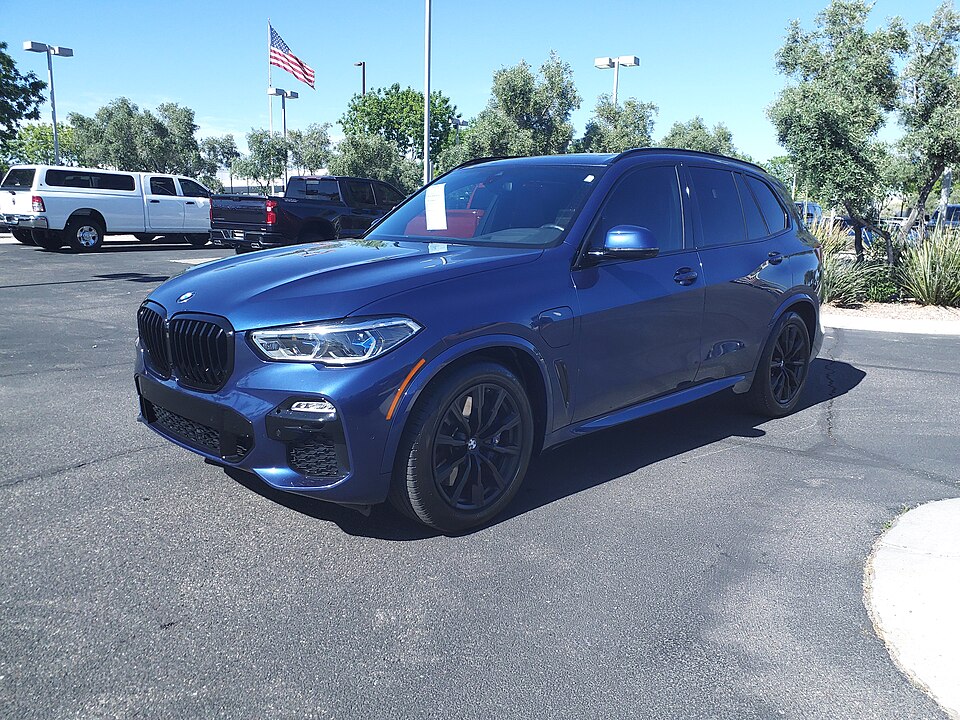 |
BMW X5 xDrive45e 20 MPG · 1.9 mi/kWh |
14.1¢ | 9.4¢ | $284 |
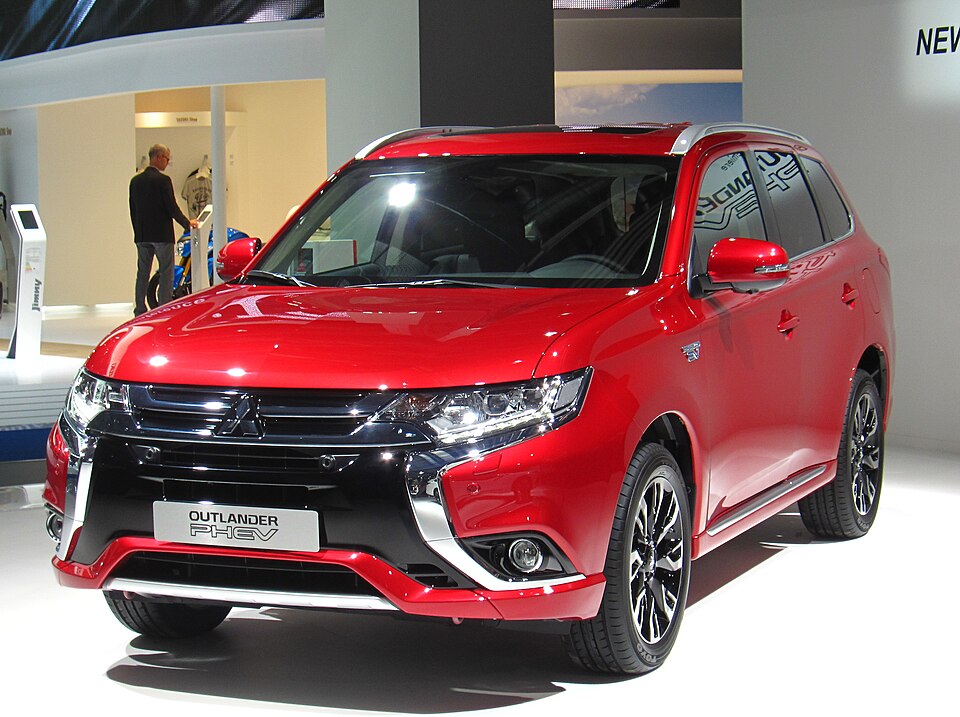 |
Mitsubishi Outlander PHEV 25 MPG · 2.2 mi/kWh |
11.3¢ | 8.1¢ | $191 |
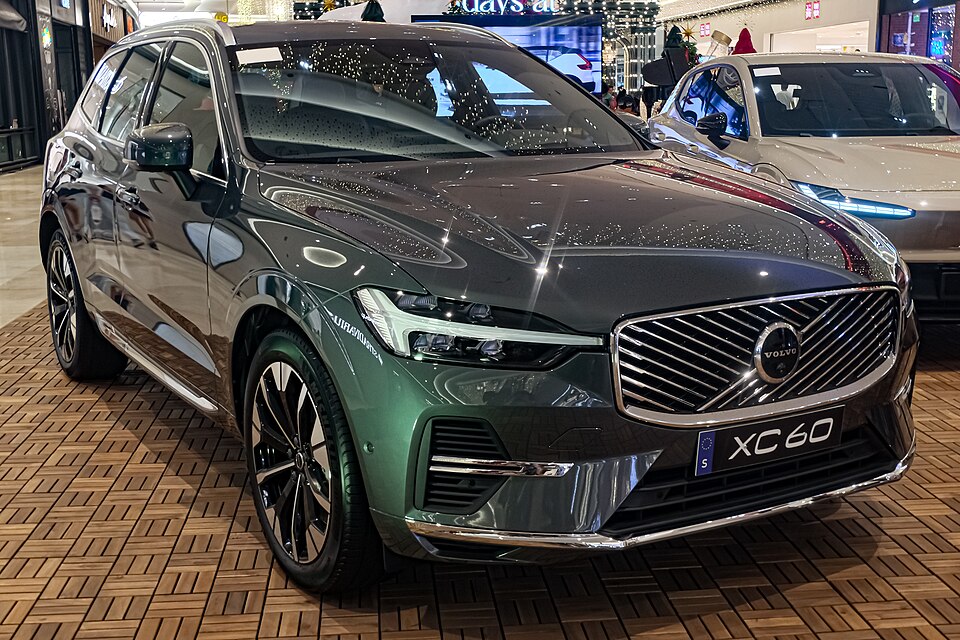 |
Volvo XC60 Recharge 25 MPG · 2.0 mi/kWh |
11.3¢ | 8.9¢ | $143 |
 |
Jeep Wrangler 4xe 20 MPG · 1.5 mi/kWh |
14.1¢ | 11.9¢ | $134 |
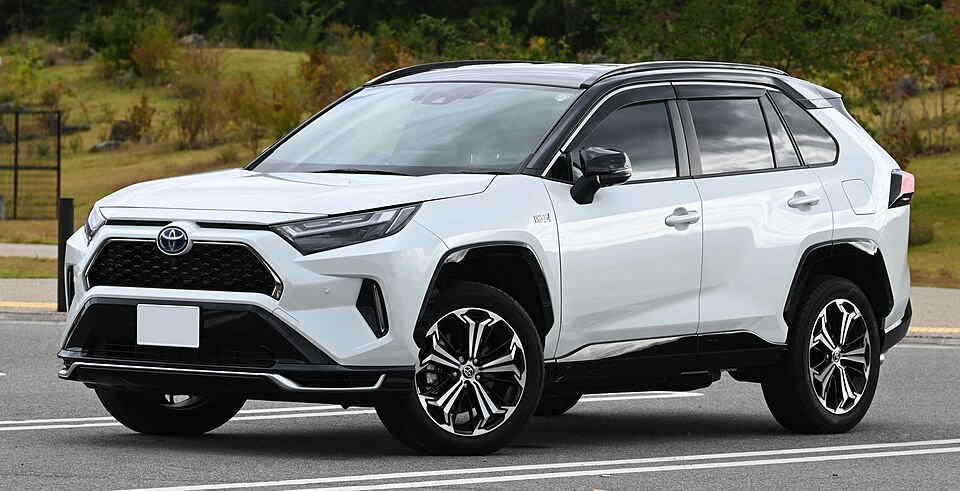 |
Toyota RAV4 Prime 38 MPG · 3.3 mi/kWh |
7.4¢ | 5.4¢ | $122 |
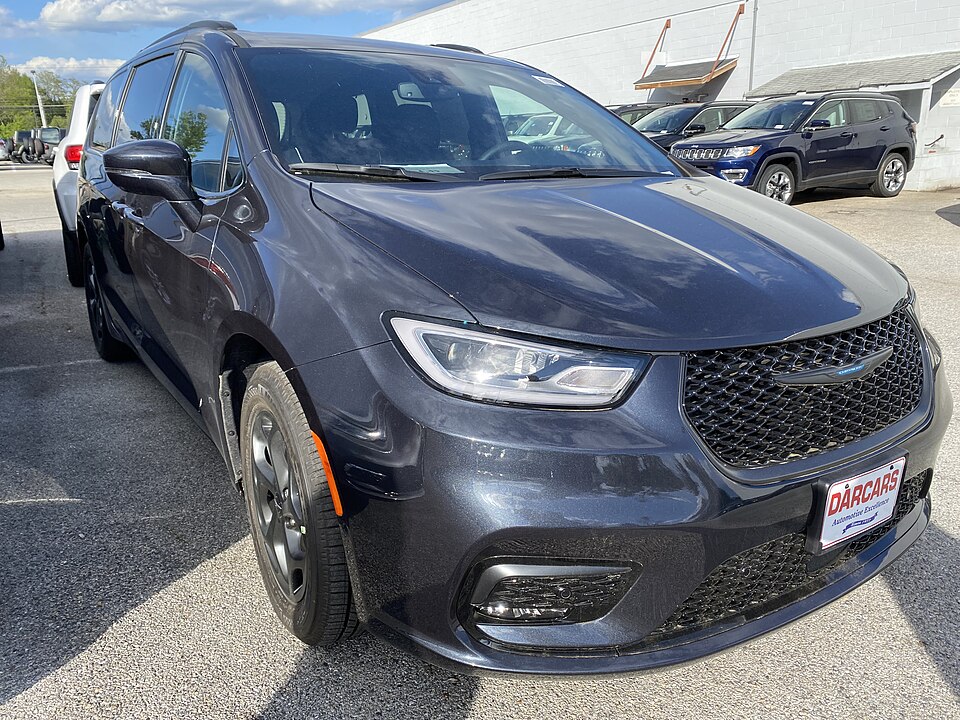 |
Chrysler Pacifica PHEV 30 MPG · 2.4 mi/kWh |
9.4¢ | 7.4¢ | $119 |
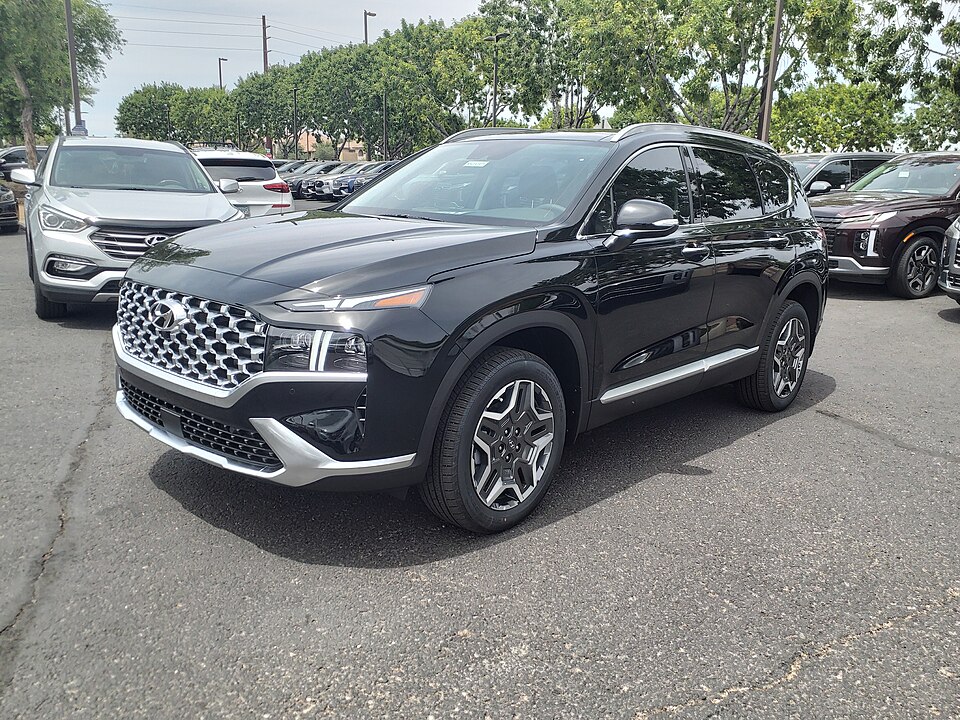 |
Hyundai Santa Fe PHEV 30 MPG · 2.4 mi/kWh |
9.4¢ | 7.4¢ | $119 |
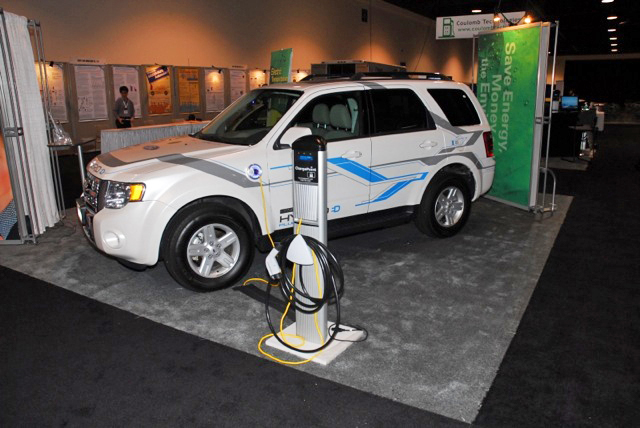 |
Ford Escape PHEV 38 MPG · 3.1 mi/kWh |
7.4¢ | 5.7¢ | $101 |
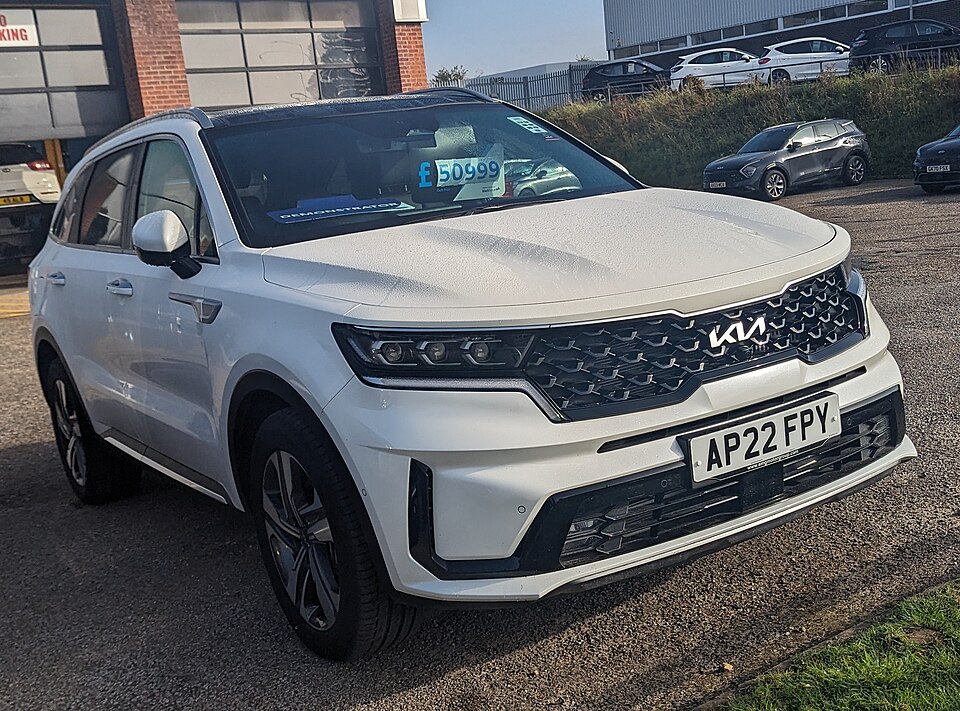 |
Kia Sorento PHEV 34 MPG · 2.5 mi/kWh |
8.3¢ | 7.1¢ | $70 |
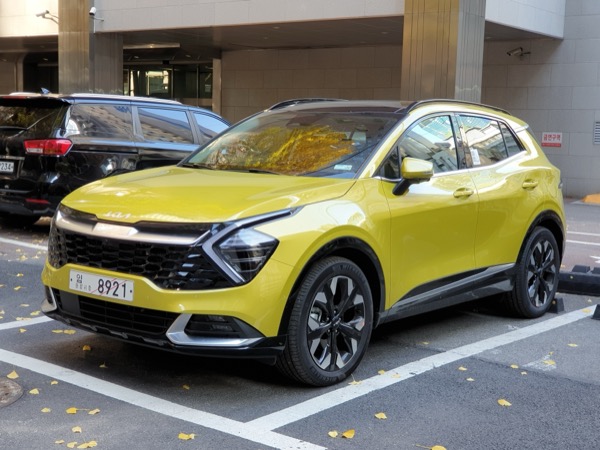 |
Kia Sportage PHEV 35 MPG · 2.5 mi/kWh |
8.1¢ | 7.1¢ | $56 |
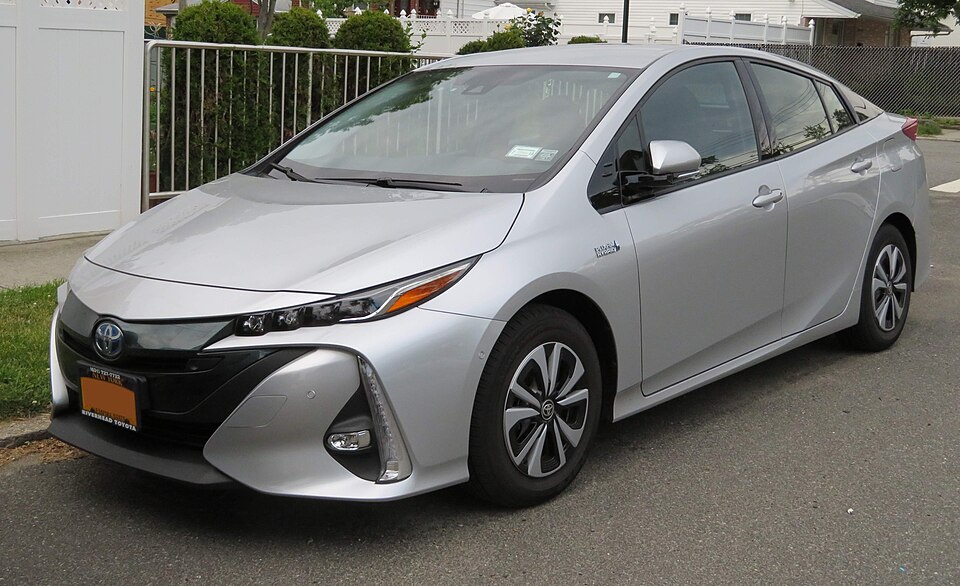 |
Toyota Prius Prime 52 MPG · 3.8 mi/kWh |
5.4¢ | 4.7¢ | $44 |
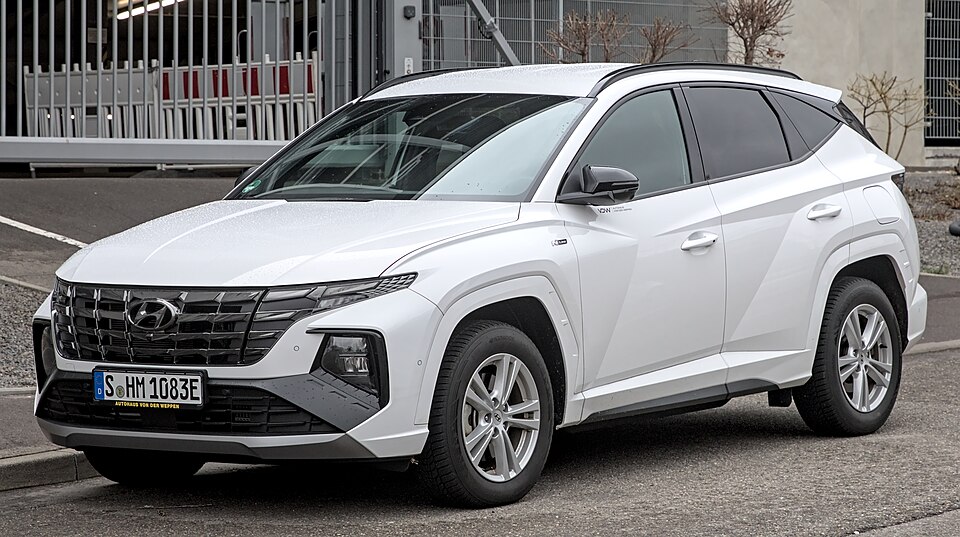 |
Hyundai Tucson PHEV 35 MPG · 2.4 mi/kWh |
8.1¢ | 7.4¢ | $38 |
But savings aren’t the whole story
High annual savings at national-average electricity prices doesn’t mean a vehicle holds that advantage everywhere. Every PHEV has a breakeven electricity rate — the price per kWh at which electricity and gas cost exactly the same per mile. Above that rate, gas is cheaper. Below it, electricity wins.
| Vehicle | Breakeven rate |
|---|---|
| BMW X5 xDrive45e | 26.8¢/kWh |
| Mitsubishi Outlander PHEV | 24.8¢/kWh |
| Toyota RAV4 Prime | 24.5¢/kWh |
| Ford Escape PHEV | 23.0¢/kWh |
| Chrysler Pacifica PHEV | 22.6¢/kWh |
| Hyundai Santa Fe PHEV | 22.6¢/kWh |
| Volvo XC60 Recharge | 22.6¢/kWh |
| Jeep Wrangler 4xe | 21.1¢/kWh |
| Kia Sorento PHEV | 20.7¢/kWh |
| Toyota Prius Prime | 20.6¢/kWh |
| Kia Sportage PHEV | 20.1¢/kWh |
| Hyundai Tucson PHEV | 19.3¢/kWh |
The Hyundai Tucson PHEV flips to gas-cheaper at 19.3¢/kWh — just above the national average. A quarter of U.S. states already exceed that threshold. The Kia Sportage, Sorento, and Prius Prime all flip before 21¢/kWh, putting them in gas-wins territory across most of the Northeast and Mid-Atlantic.
Notice the Volvo XC60: it saves $143/yr at national-average rates but breaks even at 22.6¢/kWh — same as the Pacifica and Santa Fe. The Volvo earns its high absolute savings from an efficient electric motor (2.0 mi/kWh beats the Outlander’s 2.2 but lags behind the mainstream crossovers), but it hits that ceiling relatively quickly as electricity prices rise.
The BMW X5 is the anomaly. It tops the savings table and holds its advantage the longest, breaking even at 26.8¢/kWh. That threshold is above the average rate in all but the most expensive New England states — Connecticut (27.8¢), Maine (29.6¢), Massachusetts (31.5¢). The Mitsubishi Outlander follows close behind at 24.8¢/kWh, and the RAV4 Prime is the most resilient mainstream vehicle at 24.5¢/kWh.
What this actually means for buyers
If you’re in a low-electricity state (under 17¢/kWh — most of the South, Mountain West, and Pacific Northwest), any PHEV on this list saves meaningful money on home charging. The BMW X5 and Mitsubishi Outlander lead by a wide margin in absolute dollar terms; among mainstream volume vehicles, the Wrangler 4xe, Pacifica, and Santa Fe PHEV benefit most.
If you’re in a mid-rate state (17–23¢/kWh — most of the Midwest and Mid-Atlantic), the RAV4 Prime, Escape PHEV, Outlander, and BMW X5 remain clear electric winners. The Korean crossovers — Tucson, Sportage, and Sorento — are already marginal, and the Prius Prime barely breaks even.
If you’re in a high-rate state (above 24¢/kWh — most of the Northeast), the honest answer is that most of these vehicles save little or nothing on home charging at baseline gas prices. The BMW X5 and Outlander hold out the longest; the RAV4 Prime is the most resilient mainstream option. Even the RAV4 barely breaks even in New York and flips to gas-cheaper across New England.
The two numbers that matter
When evaluating a PHEV for charging value, ignore MPGe. It obscures more than it reveals.
The numbers that actually matter are:
-
Mi/kWh — how efficiently the car uses electricity. Higher is better, and the gap between the best (Prius Prime at 3.8) and worst (Wrangler at 1.5) is enormous.
-
MPG — how efficiently the car uses gas. Counterintuitively, a lower MPG means a bigger per-mile savings from switching to electricity (assuming mi/kWh stays reasonable).
The sweet spot — moderate gas efficiency combined with reasonable electric efficiency — is where the RAV4 Prime and Ford Escape live among mainstream vehicles. For buyers less focused on gas fuel economy, the BMW X5 and Mitsubishi Outlander actually deliver the highest dollar savings from charging despite their relative inefficiency on gas.
The Prius is a remarkable car. It’s just not a remarkable PHEV for capturing electricity savings. It’s already so good on gas that the charger barely gets to do its job.