Gas vs. electric driving costs · adjust vehicle and price period below
Why is it like this in Massachusetts?
Massachusetts has some of the highest residential electricity rates in the continental United States — currently around 31¢/kWh, nearly double the national average. The causes are structural: distribution charges have risen roughly 50% since 2019 and transmission costs around 70%, driven by natural-gas pipeline constraints into New England, aging grid infrastructure, and clean-energy mandate costs passed through to ratepayers. The trajectory has been moving in the wrong direction for home charging — and the policy tailwinds are fading too: the state delayed enforcement of its 35%-EV new-car sales mandate by two years in May 2025, while the federal $7,500 EV purchase credit expired in September. Over the two years leading into 2026, rising electricity costs meant filling up was cheaper per mile than plugging in for most Massachusetts PHEV drivers. The Iran conflict has temporarily reversed that: with gasoline now above $4/gal, electricity is currently the cheaper per-mile option at conflict-elevated prices. That reversal is likely temporary — at pre-conflict gas prices, the math favors gasoline, and Massachusetts's structural electricity-cost pressures show no sign of easing.
In the news · Massachusetts

Distribution charges on MA bills have risen roughly 50% since 2019 and transmission costs roughly 70% — the structural reason charging a PHEV in Massachusetts now costs more per mile than running it on gasoline.

Healey delayed enforcement of MA's 35%-EV-or-PHEV new-car sales rule by two years, weakening the demand-side push toward electrification at the same time charging economics turned against it.

MA's federally-funded NEVI corridor build-out on I-195, I-495, and Route 2 is on hold pending federal clearance, leaving gaps for EV drivers and slowing the case for PHEV-to-BEV upgrades.
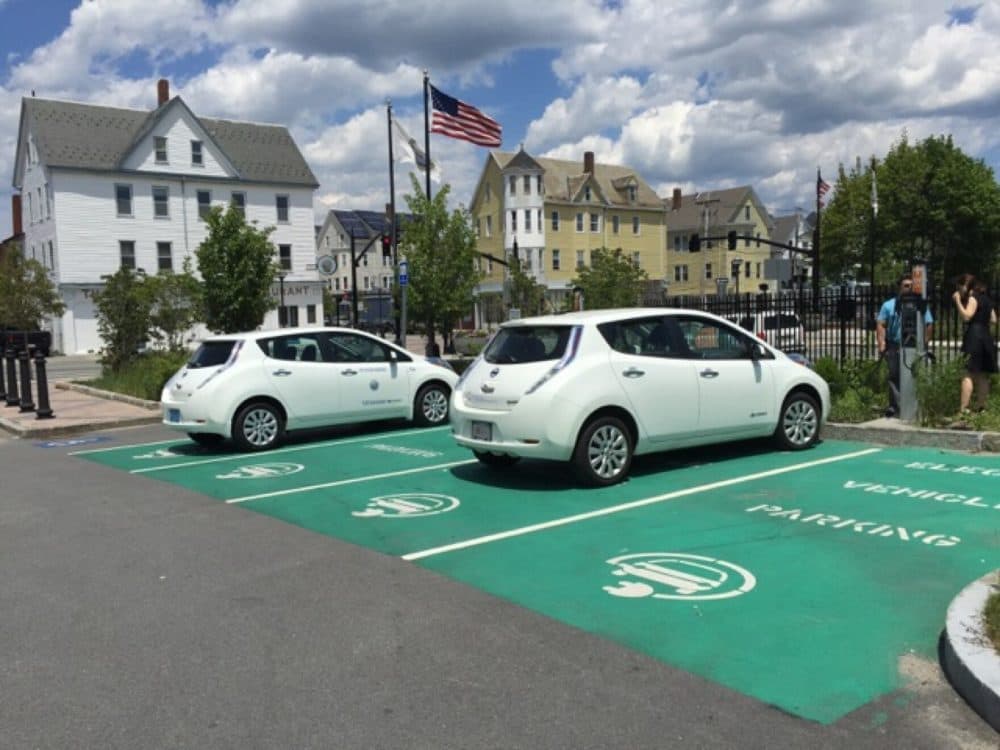
The September 2025 expiration of the $7,500 federal EV credit removes the largest dollar lever in MA's electrification math — the state's MOR-EV rebate ($3,500–$6,000 stacked) is now the only standing purchase incentive.
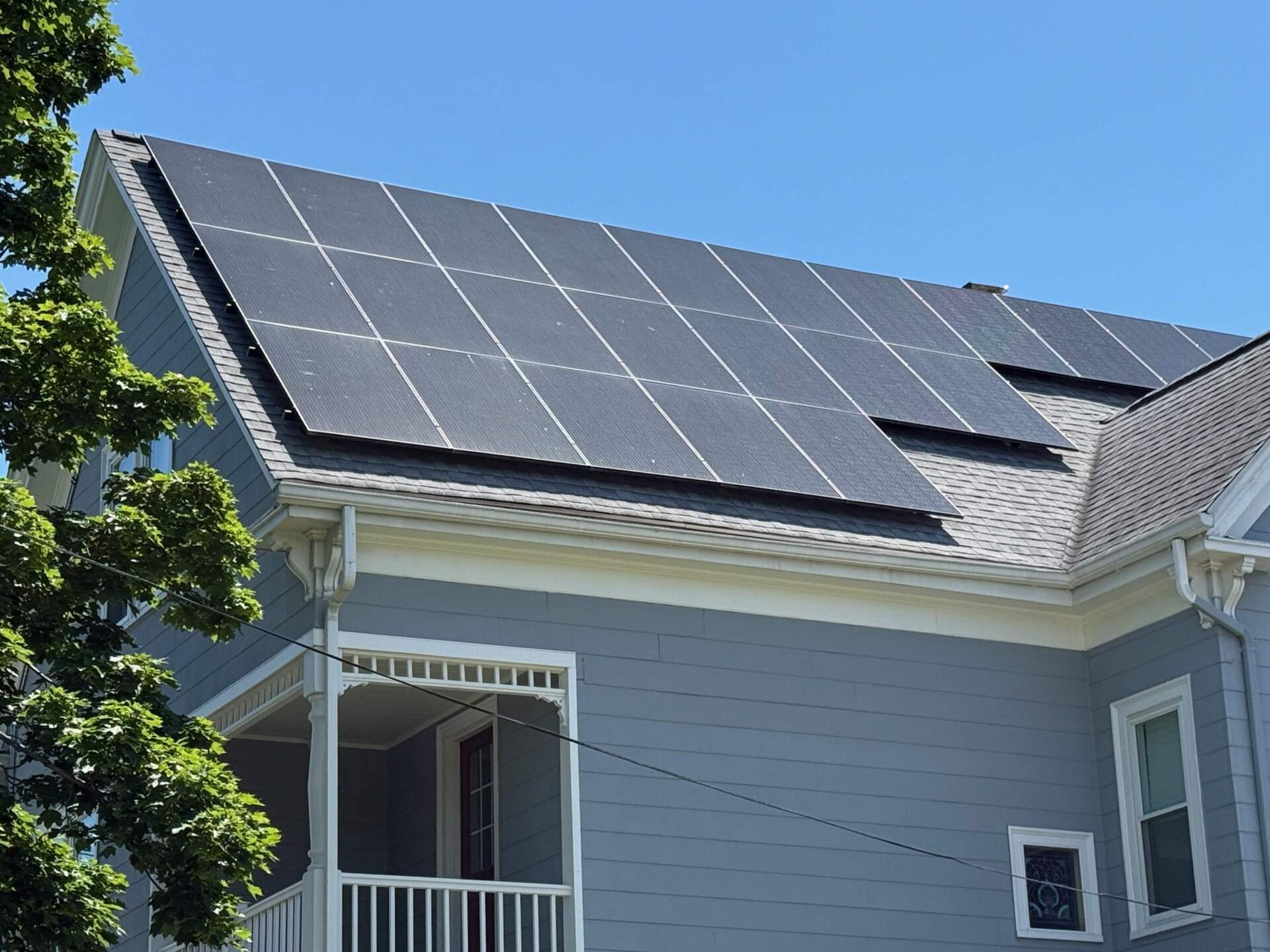
Massachusetts registered roughly 27,000 new EVs in 2025, reaching 166,296 on-road — short of the 200,000 state target. The Healey administration's report card flags federal-credit loss and bill-shock politics as the main drags.
Curated coverage of Massachusetts's EV/PHEV cost, policy, and infrastructure story. External links open in a new tab.
Northeast region comparison
| State | Electric ¢/mi | Gas ¢/mi | Cheaper | Annual diff |
|---|---|---|---|---|
| Delaware | 5.0¢ | 7.7¢ | ⚡ Electric | $323/yr |
| Pennsylvania | 6.1¢ | 8.0¢ | ⚡ Electric | $224/yr |
| Maryland | 6.2¢ | 7.8¢ | ⚡ Electric | $188/yr |
| Vermont | 7.1¢ | 7.9¢ | ⚡ Electric | $97/yr |
| New Jersey | 7.0¢ | 7.3¢ | ⚡ Electric | $31/yr |
| New Hampshire | 8.0¢ | 7.4¢ | ⛽ Gas | $68/yr |
| New York | 8.6¢ | 7.8¢ | ⛽ Gas | $91/yr |
| Connecticut | 8.6¢ | 7.5¢ | ⛽ Gas | $128/yr |
| Rhode Island | 9.1¢ | 7.4¢ | ⛽ Gas | $204/yr |
| Maine | 9.3¢ | 7.6¢ | ⛽ Gas | $206/yr |
| Massachusetts | 9.4¢ | 7.6¢ | ⛽ Gas | $219/yr |
